Why Are Roofing Estimates So Different? What’s Actually Behind Those Numbers
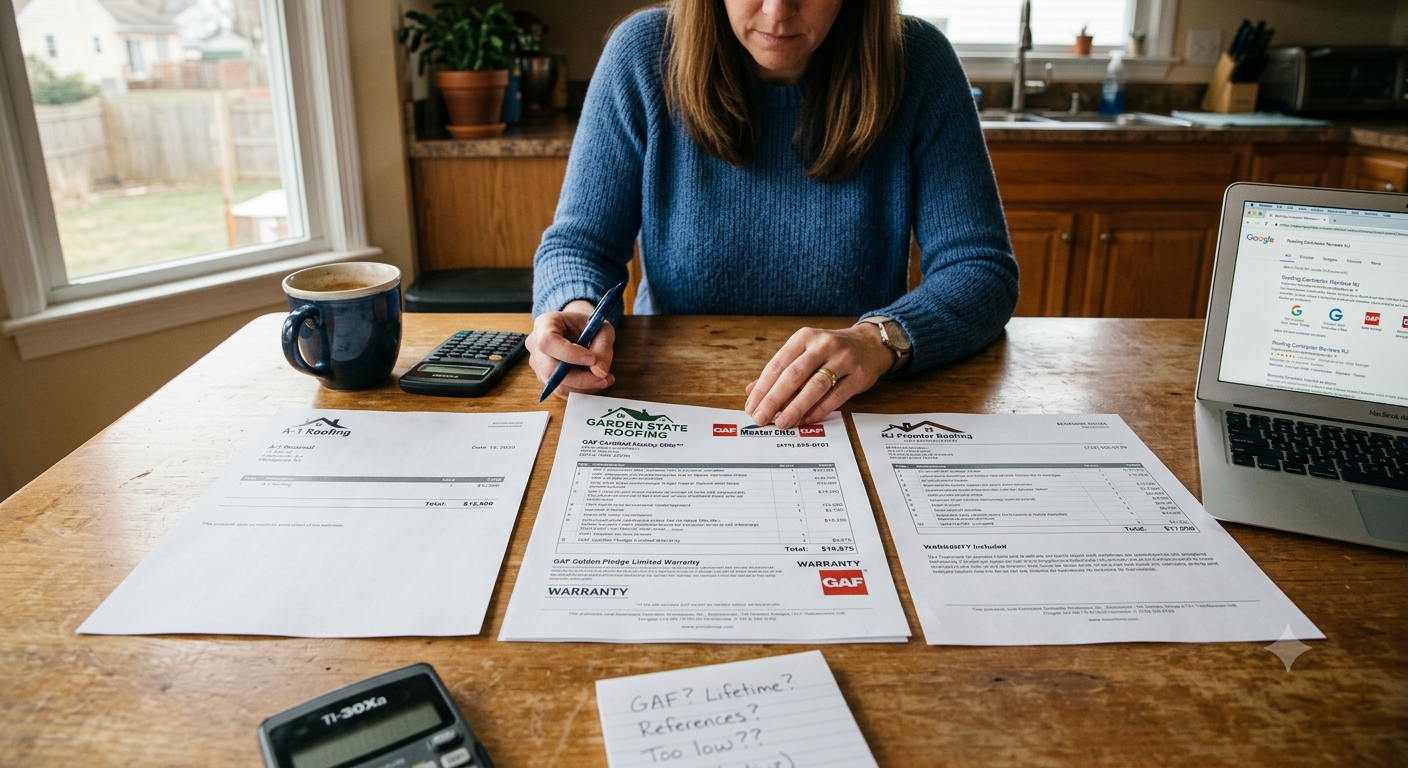
You call three roofing contractors for estimates on the same roof. One comes back at $12,000. Another says $18,000. The third quotes $24,000. Same house, same roof, same shingles supposedly. So what’s going on?
This is one of the most common frustrations homeowners face when shopping for a new roof. The price swings seem random, and without understanding what drives those differences, it’s nearly impossible to make an informed decision. Most people end up either going with the cheapest option (and regretting it later) or feeling paralyzed by confusion.
Today I want to break down exactly why roofing estimates vary so dramatically and more importantly, what questions you should be asking to make sure you’re actually comparing apples to apples.
Why are roofing estimates so different?
Roofing estimates vary dramatically because contractors include different materials, labor quality, scope of work, and warranty coverage. A low bid might use builder-grade shingles, skip proper underlayment, exclude permits, or come from an uninsured contractor with no real workmanship warranty. A higher bid from an elite certified contractor typically includes premium materials, experienced crews, proper insurance, and manufacturer-backed warranties that cover both materials and labor. The key is understanding exactly what’s included especially warranty protection before comparing prices.
The “Same Roof” Myth
Here’s the first thing to understand: when three contractors look at your roof, they’re not actually bidding on the same job. They’re each bidding on their version of the job and those versions can be wildly different.
One contractor might plan to install a basic 3-tab shingle with synthetic felt underlayment. Another is quoting architectural shingles with ice and water shield in the valleys. A third is proposing a complete system with premium underlayment, upgraded flashing, new drip edge, and enhanced ventilation.
On paper, they might all say “new roof.” In reality, you’re looking at three completely different products with different lifespans, different warranties, and different levels of protection for your home.
This is why the first question isn’t “which estimate is cheapest?” The first question is “what exactly am I getting?”
Material Quality: The Biggest Variable
Materials typically account for 40-50% of a roofing project’s cost, and the range of quality is enormous.
Shingles
3-tab shingles are the basic option flat, uniform appearance, lighter weight, shorter lifespan (typically 15-20 years in real-world conditions). They’re cheaper, and some contractors default to them unless you specify otherwise.
Architectural shingles (also called dimensional or laminated shingles) are thicker, heavier, more durable, and have a more attractive dimensional appearance. They typically last 25-30 years and come with better warranties. This is what most quality contractors recommend as the standard.
Premium/designer shingles offer enhanced aesthetics, impact resistance, or specialized features like algae resistance. They cost more but provide specific benefits depending on your situation.
The price difference between 3-tab and quality architectural shingles can easily be $2,000-4,000 on an average home. That alone explains a significant chunk of estimate variation.
Underlayment
Underlayment is the water-resistant layer between your shingles and roof deck. It’s your backup defense if water gets past the shingles and in New Jersey, with our ice dams, wind-driven rain, and nor’easters, that happens.
Felt paper (15# or 30#) is the traditional budget option. It works, but it’s not as durable and can tear during installation or degrade faster over time.
Synthetic underlayment is stronger, lighter, more water-resistant, and easier to install properly. It costs more but performs better, especially in our climate.
Ice and water shield is a self-adhering membrane that should be installed in vulnerable areas along eaves (to prevent ice dam damage), in valleys, and around penetrations. Some contractors use it only where code requires. Others install it more extensively for better protection.
A contractor who skips or minimizes ice and water shield can submit a lower bid. Your roof will pass inspection. But five years from now, when an ice dam causes a leak, you’ll wish you’d paid for proper protection.
Flashing, Drip Edge, and Accessories
Quality flashing around chimneys, vents, and walls prevents leaks at the most vulnerable points on your roof. Cheap flashing fails faster. Quality flashing costs more.
Drip edge protects the edges of your roof deck from water damage. It’s code-required in most situations, but some contractors skimp on quality or skip it where they think they can get away with it.
Ventilation components ridge vents, soffit vents, exhaust vents affect your attic’s airflow, which impacts energy costs, moisture control, and shingle lifespan. A thorough contractor might recommend ventilation upgrades. A budget contractor will leave everything as-is.
All these “small” items add up. A complete, quality installation costs more than a corners-cut approach.
Scope of Work: What’s Actually Included?
Beyond materials, estimates differ in what work is actually being performed.
Full Tear-Off vs. Overlay
A full tear-off means removing all existing roofing materials down to the deck, inspecting the wood for damage, making repairs as needed, and installing the new roof system from scratch. This is the proper way to do it.
An overlay (also called a “roof-over”) means installing new shingles directly over the existing layer. It’s faster and cheaper, but it hides deck problems, adds weight to your structure, doesn’t last as long, and can void manufacturer warranties. Some contractors will quote an overlay without making that clear.
If one estimate seems significantly cheaper, ask whether it’s a tear-off or overlay. That single factor can explain a $3,000-5,000 difference.
Deck Repairs
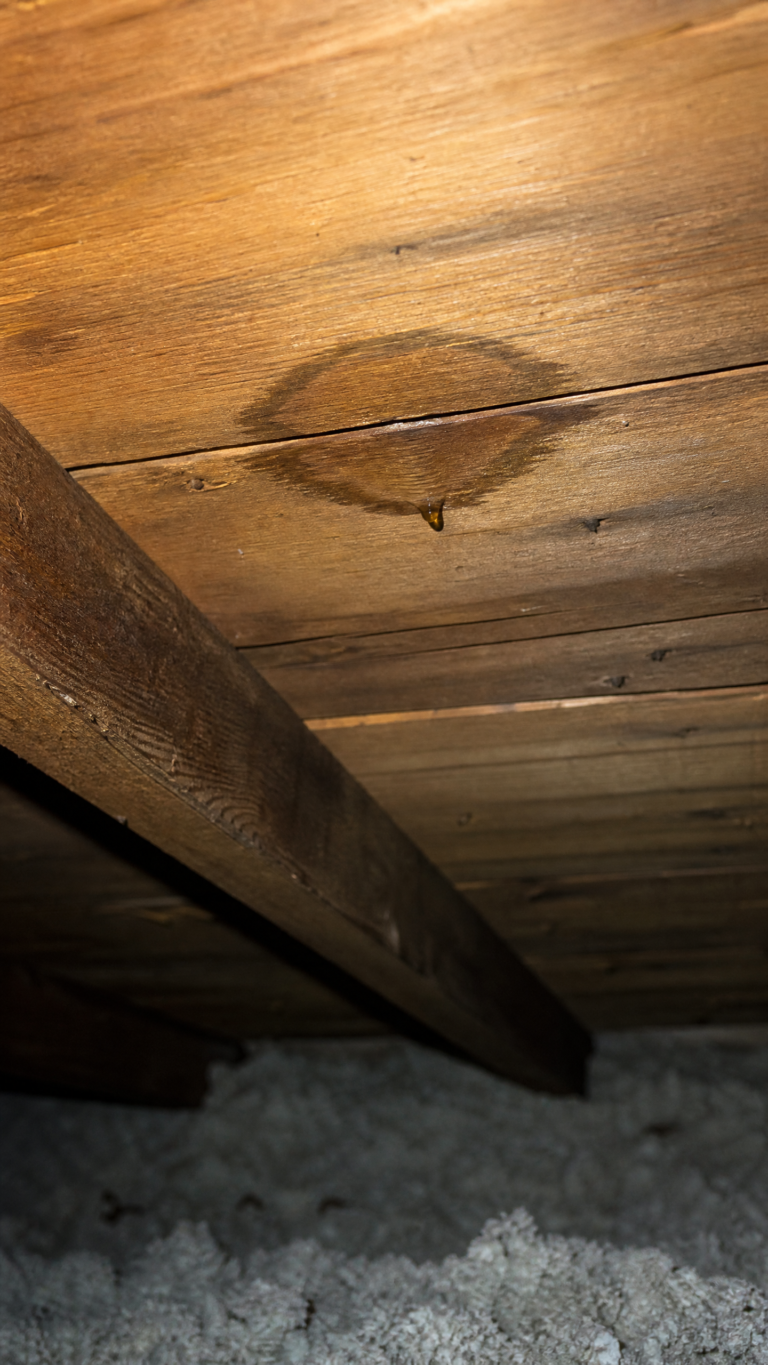
Once old roofing is removed, the plywood deck underneath might have damage rot, delamination, soft spots. Quality contractors include a provision for deck repairs in their estimates. Budget contractors might exclude this entirely, then hit you with change orders once the job is underway and damage is discovered.
Ask every contractor: “What happens if you find damaged decking?” An honest contractor will explain their process and pricing upfront.
Permits and Inspections
Roof replacements require permits in virtually every New Jersey municipality. Permits cost money and require inspections that hold the contractor accountable to building codes.
Some contractors skip permits to save time and money. This creates problems: unpermitted work can affect your home’s insurability and resale, and there’s no independent verification that the work was done correctly.
If an estimate doesn’t mention permits, ask. “Does this include permits and inspections?” If the answer is no or evasive, that’s a red flag.
Cleanup and Disposal
Tear-off creates a lot of debris. Proper disposal involves dumpster rental, dump fees, and labor to load everything. Some contractors include comprehensive cleanup magnetic sweeps for nails, inspection of landscaping, removal of all debris. Others do the minimum.
Ask what cleanup is included. “Will you do a magnetic sweep of the yard? How do you handle debris removal?”
What Low vs. High Estimates Often Include
| Component | Budget Estimate | Quality Estimate |
|---|---|---|
| Shingles | 3-tab or builder-grade architectural | Premium architectural (GAF Timberline, Owens Corning Duration, etc.) |
| Underlayment | 15# felt or minimum synthetic | Quality synthetic + ice & water shield in vulnerable areas |
| Ice & Water Shield | Code minimum only (3 feet at eaves) | Extended coverage eaves, valleys, penetrations, vulnerable areas |
| Flashing | Basic aluminum, minimal replacement | Quality materials, full replacement at all penetrations |
| Drip Edge | Reuse existing or basic replacement | New drip edge throughout |
| Ventilation | Leave as-is | Assess and upgrade if needed |
| Deck Repairs | Not included or priced as change order | Included or clearly priced per sheet upfront |
| Permits | Not mentioned or excluded | Included |
| Warranty | Basic manufacturer shingle warranty only | Enhanced system warranty covering materials AND labor |
| Cleanup | Basic debris removal | Magnetic nail sweep, full property inspection, thorough cleanup |
Labor Quality: You Get What You Pay For
Materials matter, but installation quality matters just as much maybe more. A perfectly good shingle installed poorly will fail. A quality installation can make average materials perform better than expected.
Crew Experience
Some contractors use experienced, trained crews who do roofing as their profession. Others rely on day laborers or subcontracted crews with minimal training and supervision.
Experienced crews work efficiently, follow proper installation techniques, catch problems before they become issues, and take pride in their work. This costs more than hiring whoever shows up at the parking lot that morning.
Supervision and Quality Control
Does a project manager or company owner actually visit the job site? Are installations inspected before completion? Is there a process for catching and correcting mistakes?
Companies with real quality control systems have overhead costs that get built into their estimates. Companies that install and disappear don’t.
Installation Standards
Manufacturer warranties depend on proper installation techniques correct nailing patterns, proper starter strip installation, correct flashing methods. Sloppy installation can void your warranty entirely, even if quality materials were used.
Ask contractors about their installation practices. “Do you follow manufacturer specifications? Are your crews certified?” Companies that invest in training will be happy to discuss it.
Business Costs: Insurance, Licensing, and Overhead
Legitimate roofing companies carry significant overhead that affects their pricing.
Insurance
General liability insurance protects your property if something goes wrong during the project. Workers’ compensation insurance protects you from liability if a worker is injured on your property.
These policies cost thousands of dollars annually. Contractors who don’t carry them can bid lower but you assume significant risk. If an uninsured worker falls off your roof and gets injured, you could be held liable.
Always ask for certificates of insurance. “Can I see your liability and workers’ comp certificates?” If they can’t produce them, walk away.
Licensing
New Jersey requires home improvement contractor registration. Legitimate contractors maintain their registration, stay current with requirements, and operate legally. This has costs attached.
Unlicensed contractors can bid lower because they’re not operating legitimately. They’re also harder to hold accountable if problems arise.
Business Overhead
Established companies have offices, vehicles, staff, training programs, customer service systems, and all the infrastructure needed to support you before, during, and after your project. This costs money that gets reflected in pricing.
A guy working out of his truck with a cell phone has lower overhead. He can bid cheaper. But when you call with a warranty issue two years later, will he answer?
Warranties: The Most Misunderstood Part of Any Estimate
Warranties are where estimate comparisons get really tricky and where homeowners often get burned. Understanding the difference between what’s covered can save you thousands of dollars down the road.
Manufacturer Warranties: What They Actually Cover
Shingle manufacturers like GAF, Owens Corning, and CertainTeed offer warranties on their products. But here’s what most homeowners don’t realize: these warranties typically only cover the materials themselves — manufacturing defects, premature failure of the shingle, that kind of thing.
Basic manufacturer warranties might cover defects for 25-30 years, but with prorated coverage that decreases over time. After 10 years, you might only get a fraction of the replacement cost covered.
Premium manufacturer warranties offer better coverage longer terms, non-prorated coverage periods, and sometimes additional protection. But even these have limits.
The Big Question: Who Covers the Installation?
Here’s where it gets important. If your roof leaks because of faulty workmanship improper nailing, bad flashing installation, incorrect sealing — the manufacturer isn’t responsible. They made good shingles. The contractor installed them wrong.
So who covers that? The contractor’s workmanship warranty. And this is where estimates diverge dramatically.
Budget contractors might offer nothing. Or they might offer a “warranty” that isn’t worth the paper it’s printed on either because it’s extremely limited or because the company won’t exist in five years to honor it.
Quality contractors typically offer meaningful workmanship warranties usually 5-10 years. If something fails due to installation error, they’ll come back and fix it at no charge.
Elite contractors — those certified by major manufacturers offer something even better: warranties where the labor is backed directly by the manufacturer.
What Makes an Elite Contractor Different?
Elite contractors are certified and backed by the largest roofing manufacturers in the world. Only these specific contractors can offer warranties where the labor is backed directly by the manufacturer not just the contractor’s promise, but the manufacturer standing behind the entire installation.
For example, GAF Master Elite contractors represent less than 3% of all roofing contractors nationwide. They’ve been vetted for proper licensing, insurance, and reputation. They’re required to use specific installation methods and complete ongoing training. And they can offer GAF System Plus and Golden Pledge warranties that cover both materials AND workmanship backed by GAF, not just the contractor.
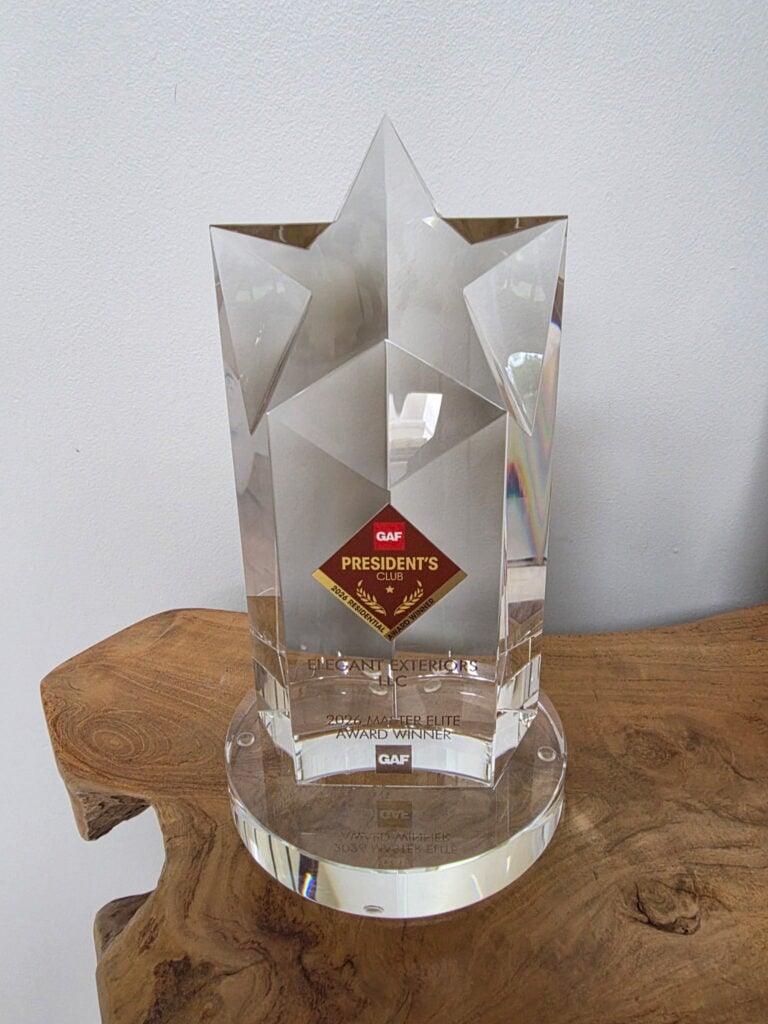
GAF President’s Club contractors go even further. This is an invitation-only group recognizing the top-performing Master Elite contractors based on performance, reliability, and service excellence.
If maximum protection and peace of mind matter to you, working with a certified elite contractor is the safest choice.
Why This Matters for Your Estimate
When you’re comparing estimates, ask specifically about warranty coverage:
“What does the manufacturer warranty cover?” — Understand whether it’s materials only, prorated vs. non-prorated, and what the actual coverage period is.
“What workmanship warranty do you offer?” — Get specifics. How many years? What’s covered? What’s the claim process?
“Is your labor backed by the manufacturer?” — This is the key question. Only certain certified contractors can answer “yes” to this. If they can, it means even if the contractor goes out of business, the manufacturer will still honor the warranty.
A contractor offering manufacturer-backed labor warranty will typically cost more than one offering only their own workmanship guarantee. But the difference in protection is substantial especially considering how many roofing companies come and go.
The Warranty Comparison
| Contractor Type | Materials Warranty | Workmanship Warranty | Who Backs It? |
|---|---|---|---|
| Budget Contractor | Basic manufacturer warranty (prorated) | None or very limited | Contractor only (if they’re still in business) |
| Quality Contractor | Standard manufacturer warranty | 5-10 year workmanship warranty | Contractor only |
| Elite Certified Contractor (GAF Master Elite) | Enhanced system warranty (non-prorated) | 25-50 year coverage including labor | Manufacturer backs both materials AND labor |
Red Flags: When Low Bids Should Worry You
Not every low bid is a scam, and not every high bid is justified. But certain patterns should raise concerns:
Warning Signs of Problem Contractors:
⚠️ No written estimate — everything should be documented in writing
⚠️ Vague specifications — “new roof” without details on materials, scope, process
⚠️ No mention of permits — legitimate work requires permits
⚠️ Large deposit required upfront — normal deposits are 10-30%, not 50%+
⚠️ Pressure to sign immediately — “this price is only good today” tactics
⚠️ Can’t provide insurance certificates — legitimate contractors have this ready
⚠️ No physical business address — established companies have real locations
⚠️ Cash-only requests — legitimate businesses accept multiple payment methods
⚠️ No workmanship warranty — what happens when installation causes a leak?
⚠️ Significantly lower than all other bids — if one bid is 40% less, something’s missing
How to Compare Estimates Properly
To make a real comparison, you need apples-to-apples information. Here’s how to get it:
Request detailed written estimates. Ask each contractor to itemize materials, including specific product names and quantities. Vague descriptions like “architectural shingles” aren’t enough which architectural shingles? What brand? What product line?
Verify scope of work. Confirm whether each estimate includes full tear-off, deck inspection and repairs, ice and water shield placement, new drip edge, and all the components that should be part of a quality installation.
Check insurance and licensing. Ask for certificates of insurance and verify contractor registration with the state. This takes five minutes and protects you significantly.
Understand the warranty completely. Get specifics on manufacturer warranty coverage. Ask about workmanship warranty terms. And ask the key question: “Is your labor backed by the manufacturer?” Know exactly who is responsible if something goes wrong.
Ask about certifications. Is the contractor certified by the manufacturers they’re using? Do they hold elite designations like GAF Master Elite or President’s Club? These certifications aren’t just marketing — they determine what warranty protection you can actually get.
Ask about the crew. Who will actually be on your roof? Are they employees or subcontractors? How long have they been with the company?
Check references and reviews. Look at Google reviews, BBB ratings, and ask for references from recent projects. Actually call those references.
Once you have all this information, you can make a meaningful comparison. Often, you’ll find that the lowest bid is missing significant components — especially warranty protection — and the price difference makes more sense.
Why We’re Transparent About This
We know our estimates aren’t always the cheapest. That’s because we include everything needed for a quality, long-lasting roof — not just the minimum required to get a signature.
As a GAF Master Elite contractor and President’s Club member, we offer warranty protection that most contractors simply can’t match. When you work with us, your labor is backed directly by GAF — the largest roofing manufacturer in North America. That’s not our promise alone; it’s GAF standing behind our work.
We’d rather explain upfront why our pricing reflects quality materials, experienced crews, proper installation, real insurance, and manufacturer-backed warranties than have you discover the hard way that a cheaper option cut corners you didn’t know about.
When you get an estimate from Elegant Exteriors, you’re getting a complete picture. We’ll walk you through exactly what’s included, why it matters, and what warranty protection you’ll have. No surprises, no hidden costs, no change orders for things that should have been in the original scope.
That’s how we’ve built our reputation throughout Jackson Township, Toms River, Freehold, Howell, and communities across Central New Jersey. We’d rather earn your business through honesty than win it through a lowball bid we can’t actually deliver on.
TL;DR: Roofing estimates vary dramatically because contractors bid on different versions of the job different materials, scope, and warranty protection. A low bid might use budget shingles, skip ice and water shield, exclude permits, or offer no real workmanship warranty. Pay close attention to warranty coverage: manufacturer warranties typically cover materials only, not installation. If your roof leaks due to faulty workmanship, who’s responsible? Budget contractors may offer nothing. Quality contractors offer workmanship warranties. Elite certified contractors (like GAF Master Elite) can offer warranties where labor is backed directly by the manufacturer — the safest option. Ask questions until you understand exactly what you’re getting, especially who covers what when something goes wrong.
Want a roofing estimate you can actually understand — with warranty protection you can trust?
Contact Elegant Exteriors for a detailed, transparent estimate. As a GAF Master Elite and President’s Club contractor, we offer manufacturer-backed warranties on materials and labor. Serving Monmouth, Ocean, and Burlington counties.