Timing matters when it comes to roof replacement. Ask five different contractors when you should replace your roof and you might get five different answers — but the reality is that each season in New Jersey offers distinct advantages and drawbacks. Understanding these tradeoffs helps you make a smarter decision for your home, your budget, and your schedule.
The short answer? Fall is generally considered the ideal season for roof replacement in Central New Jersey. But that doesn’t mean it’s the only good option, and depending on your specific situation, a different time of year might actually work better for you.
Let’s break down what each season looks like for roofing projects in our region and help you figure out the best timing for your particular circumstances.
Why Timing Matters for Roof Installation
Before getting into seasonal specifics, it helps to understand why timing affects roof replacement at all. It’s not just about contractor availability or your personal schedule — the weather conditions during installation directly impact how well your new roof performs for years to come.
Asphalt shingles, which cover the vast majority of homes in Jackson Township, Toms River, Freehold, and throughout Ocean and Monmouth counties, rely on a process called thermal sealing. Each shingle has an adhesive strip that bonds to the shingle above it, creating a unified, wind-resistant surface. This sealing process requires heat — typically temperatures above 45-50 degrees Fahrenheit sustained over several days.
Shingles installed in cold weather will eventually seal once warmer temperatures arrive, but until they do, they’re more vulnerable to wind uplift. Shingles installed in extreme heat can become overly pliable and susceptible to scuffing or damage during installation.
Beyond the shingles themselves, other roofing components have temperature sensitivities. Underlayment adhesives, flashing sealants, and caulking all perform best within certain temperature ranges. Even the plywood decking can be affected — installing over frost-covered or rain-soaked decking creates moisture problems down the line.
Fall: The Sweet Spot for New Jersey Roof Replacement
Ask most experienced roofing contractors in Central Jersey when they prefer to schedule roof replacements, and the majority will point to fall — specifically late September through mid-November.
Temperature conditions are ideal. Daytime highs in the 50s and 60s are perfect for shingle installation. The materials remain workable without becoming too soft, adhesives cure properly, and crews can work comfortably without the exhaustion that comes from summer heat or the challenges of winter cold.
Humidity levels drop. After the muggy summers we experience throughout Ocean and Burlington counties, fall brings drier air. Lower humidity means less moisture in the materials and underlying decking, which translates to better long-term performance.
Your roof seals before winter. Shingles installed in October have several weeks of moderate temperatures to fully activate their thermal seal before the first hard freeze. This means your new roof is performing at full capacity when winter storms arrive — exactly when you need maximum protection.
Scheduling flexibility is reasonable. While fall is popular, it’s not as intensely booked as spring. Many homeowners don’t think about their roofs until problems appear, so contractors who stay booked through storm season often have more availability in autumn.
The main drawback of fall installation is the shorter window. Once we get into late November, weather becomes unpredictable. Early nor’easters, unexpected cold snaps, and shorter daylight hours can all complicate projects. If you’re planning a fall roof replacement, don’t wait until October to start getting estimates — begin the process in August or early September to secure your preferred dates.
Spring: A Close Second
Spring runs a close second to fall for roof replacement timing in New Jersey, though it comes with a few more variables to consider.
Temperatures are moderate. Like fall, spring typically offers installation-friendly conditions. March can still be unpredictable, but April through early June generally provides good working weather.
You’re preparing for summer storms. Getting your roof replaced in spring means you’re protected before hurricane season and the severe thunderstorms that roll through Central Jersey during summer months. If your roof is already showing problems, addressing them in spring prevents a small issue from becoming a major leak during a July downpour.
Contractor schedules fill quickly. Here’s the catch — spring is prime season for storm damage repairs. Roofing contractors throughout Howell, Brick, Marlboro, and surrounding areas often spend March and April catching up on work that couldn’t be completed during winter. If winter storms caused widespread damage, that backlog extends even further.
Rain delays are common. Spring in New Jersey means rain. Projects that might take three days in ideal conditions can stretch to a week or more when afternoon showers keep interrupting work. Roofing crews won’t install over wet decking, so each rain delay pushes the timeline.
If you’re considering spring installation, aim for mid-April through May. March is too unpredictable, and once June arrives, you’re competing with emergency repairs from early summer storms and dealing with rising temperatures.
Summer: It Works, But There Are Tradeoffs
Summer roof replacement is absolutely doable — contractors work year-round, and plenty of roofs get installed between June and August. But it’s generally not the preferred season for either homeowners or crews.
Heat affects everything. When temperatures climb into the 80s and 90s, asphalt shingles become very soft and pliable. They’re more easily scuffed by foot traffic during installation, and the adhesive strips can activate prematurely, making shingles harder to position correctly. Experienced crews know how to work around these challenges, but it requires more care and often slower progress.
Crew fatigue is real. Roofing is physically demanding work under any conditions. On a 95-degree July day on a roof in Toms River — where the actual surface temperature can exceed 150 degrees — it’s brutal. Heat-related slowdowns and mandatory breaks extend project timelines.
Your attic becomes an oven. During a roof replacement, your home loses its primary thermal barrier for at least a day or two. In summer, this means your air conditioning works overtime, and upper floors can become uncomfortably warm until the new roof is completed.
Storm interruptions happen. Summer thunderstorms in New Jersey tend to be intense but brief. A crew might need to tarp an open roof and wait out a fast-moving storm, then deal with wet conditions afterward. It’s manageable, but adds unpredictability.
On the positive side, summer offers the longest daylight hours, so crews can work extended days when conditions allow. And because it’s not the peak preferred season, you might find slightly better availability or pricing from contractors looking to fill their schedules.
Winter: Possible But Not Ideal
Can you replace a roof in winter? Yes. Should you if you have other options? Probably not — though sometimes circumstances don’t give you a choice.
Cold temperatures complicate installation. When temps drop below 40 degrees, standard asphalt shingles become brittle and prone to cracking. Special cold-weather installation techniques and sometimes hand-sealing of shingles are required. This adds labor time and cost.
Thermal sealing is delayed. Shingles installed in January won’t fully seal until spring warmth arrives. During those months, they’re more vulnerable to wind damage. A winter nor’easter hitting a roof with unsealed shingles can cause problems that wouldn’t occur with a properly sealed installation.
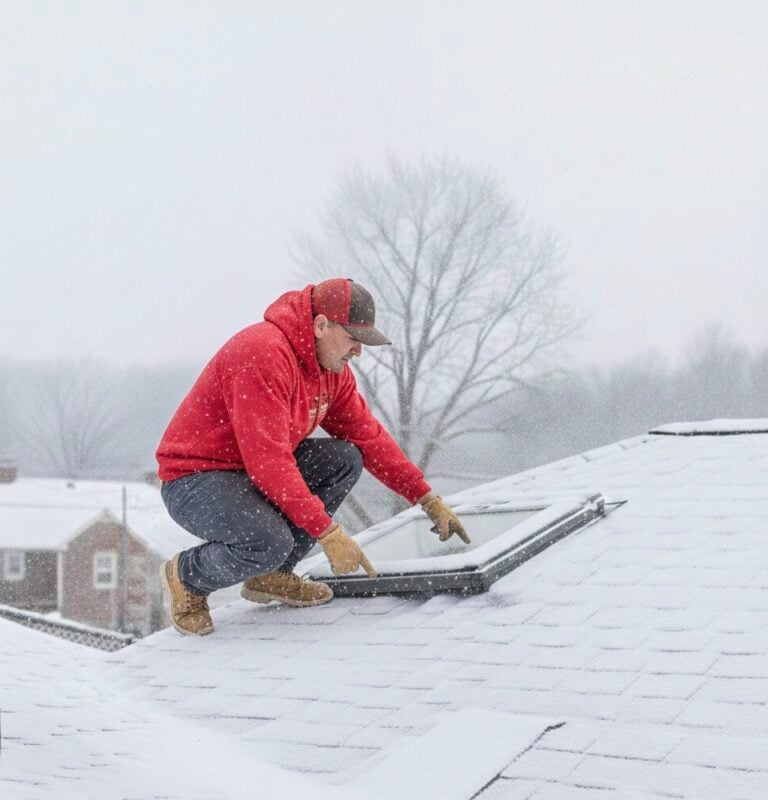
Weather delays are unpredictable. Snow, ice, and sustained cold can shut down roofing work for days or weeks at a time. A project scheduled for early December might not complete until February if winter weather doesn’t cooperate.
Material handling requires extra care. Cold shingles need to be stored properly and handled carefully to prevent cracking. Some contractors won’t even attempt installations below certain temperatures.
That said, emergency situations don’t follow convenient schedules. If your roof fails in January, you’re not going to wait until October for replacement. Reputable contractors can perform winter installations when necessary — it just requires more planning, potentially higher costs, and acceptance that conditions aren’t optimal.
For homeowners in Jackson Township and throughout the region with roofs that are aging but not yet failing, winter is actually a great time to plan and schedule. Get your inspections done, collect estimates, and book your project for the following spring or fall while contractor calendars are more open.
Other Factors That Affect Your Timing
Beyond seasonal weather, several other considerations influence the best time for your specific roof replacement.
Insurance claim timelines. If your roof replacement stems from storm damage covered by insurance, your timing may be partially dictated by the claims process. Insurance companies typically expect repairs within a reasonable timeframe, so you might not have the luxury of waiting for your preferred season.
Real estate transactions. Selling your home? Buyers and home inspectors will flag an aging roof, and addressing it before listing often makes sense. If you’re buying a home and negotiated a roof replacement, closing dates may determine your timeline regardless of seasonal preferences.
Contractor availability. The best roofing contractors in Monmouth, Ocean, and Burlington counties stay busy. If you have a specific company you want to work with — perhaps one holding GAF Master Elite certification or other credentials that matter to you — their schedule may dictate your options more than weather preferences.
Product availability. Supply chain issues have affected building materials in recent years. Specific shingle colors, styles, or premium products sometimes have lead times. Starting the selection process early gives you more flexibility.
Personal schedule. Roof replacement typically means crews at your home for 2-4 days, noise, debris, and some disruption. If you work from home, have young children who nap, or simply want to be present during the project, your personal calendar matters too.
Planning Your Roof Replacement Timeline
If your roof is approaching replacement age but isn’t actively leaking, you have the advantage of planning ahead. Here’s a practical timeline:
6-8 months before your target date: Start researching contractors. Look for established local companies with strong credentials, verified reviews, and proper licensing. In New Jersey, this means confirming they carry liability insurance, workers compensation, and hold a Home Improvement Contractor registration.
4-6 months out: Schedule inspections and collect estimates from 2-3 contractors. This gives you time to compare not just prices but scope of work, material options, and warranty coverage.
2-3 months out: Make your decision and book your project. For fall installations, this means committing by July or August. For spring work, lock in your dates by February.
2-4 weeks out: Confirm details with your contractor, finalize material selections, and prepare your property. Move vehicles, note any landscaping concerns, and make arrangements if you need to be away during work.
Making the Right Choice for Your Home
The “best” time for roof replacement ultimately depends on balancing ideal conditions against your specific situation. Fall remains the gold standard for New Jersey installations, with spring as a strong alternative. Summer works when necessary, and winter should generally be reserved for emergencies or unavoidable circumstances.
What matters most is choosing a qualified contractor who understands local conditions and knows how to deliver quality results regardless of season. A skilled crew installing your roof in July will outperform a less experienced team working in perfect October weather every time.
If your roof is showing warning signs or approaching that 20-25 year threshold, don’t wait for a crisis. Start the evaluation process now, understand your options, and schedule your replacement for the season that makes the most sense for your circumstances.
Have questions about timing your roof replacement or want to schedule an inspection? Contact Elegant Exteriors for a free consultation. We serve homeowners throughout Jackson Township, Toms River, Freehold, Howell, and communities across Monmouth, Ocean, and Burlington counties — and we’re happy to help you plan the right project at the right time.