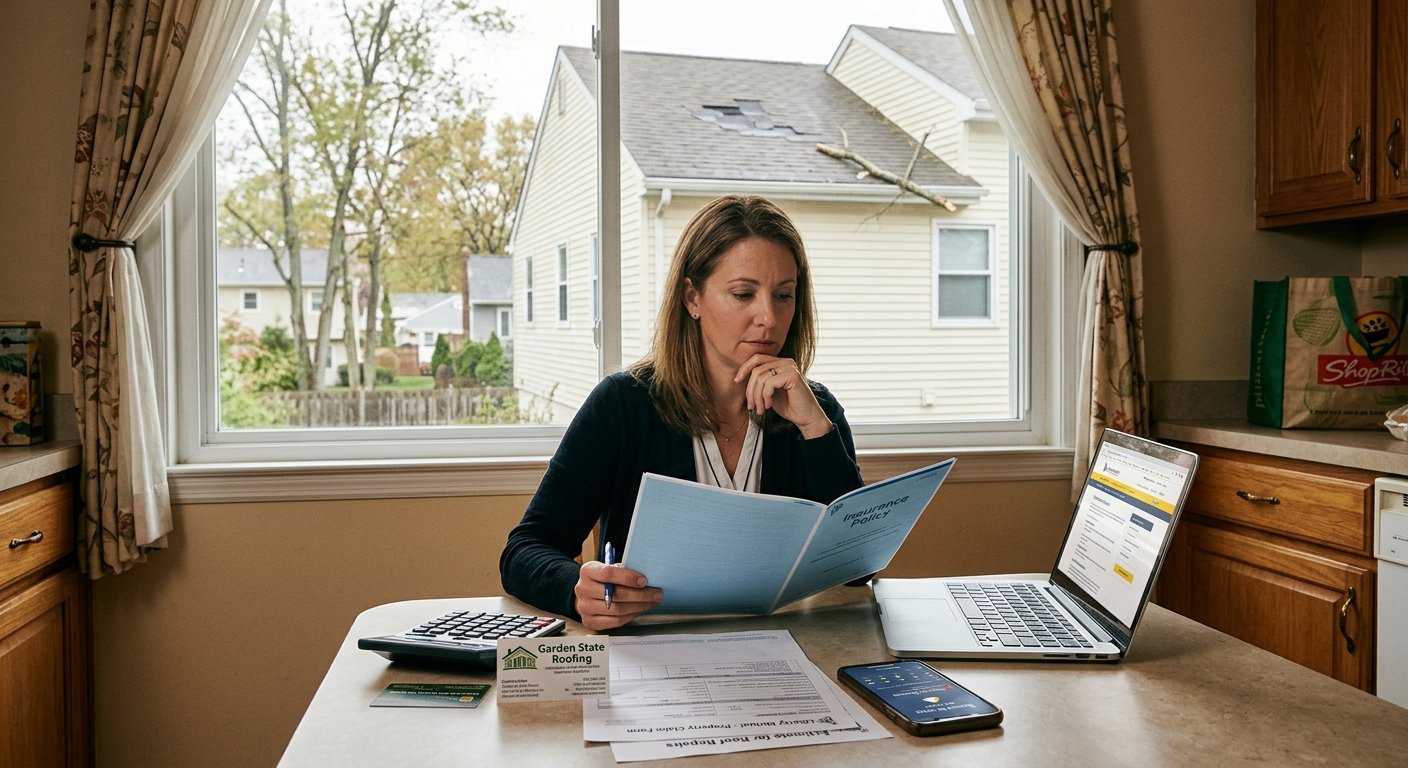
Your roof took a beating during last night’s storm. Maybe you’ve spotted a few missing shingles, or perhaps a tree branch came down and left some damage. Your first instinct might be to call your insurance company — that’s what you’ve been paying premiums for, right?
Not so fast.
Filing a roof insurance claim isn’t always the smart move. In some cases, it protects your investment and gets necessary repairs covered. In others, it can actually cost you more in the long run through increased premiums, policy non-renewals, or claims that get denied anyway.
This guide helps New Jersey homeowners understand when filing a claim makes sense, when it doesn’t, and how to navigate the process if you decide to move forward.
Should I file an insurance claim for roof damage?
It depends on the damage amount, your deductible, and your claims history. File a claim when damage clearly exceeds your deductible by a significant margin (typically $2,000+), when damage results from a covered peril like wind, hail, or fallen trees, and when you have documentation proving the damage is storm-related. Don’t file for minor damage close to your deductible amount, normal wear and tear (which isn’t covered anyway), or if you’ve filed multiple claims recently. In New Jersey, multiple claims can lead to premium increases of 20-40% or policy non-renewal.
Understanding What Homeowners Insurance Actually Covers
Before deciding whether to file a claim, you need to understand what your policy does and doesn’t cover. This is where many homeowners get surprised.
Homeowners insurance covers sudden, accidental damage from covered perils. For roofs, this typically includes wind damage from storms or nor’easters, hail damage, damage from fallen trees or branches, fire damage, and damage from the weight of ice or snow (in most policies).
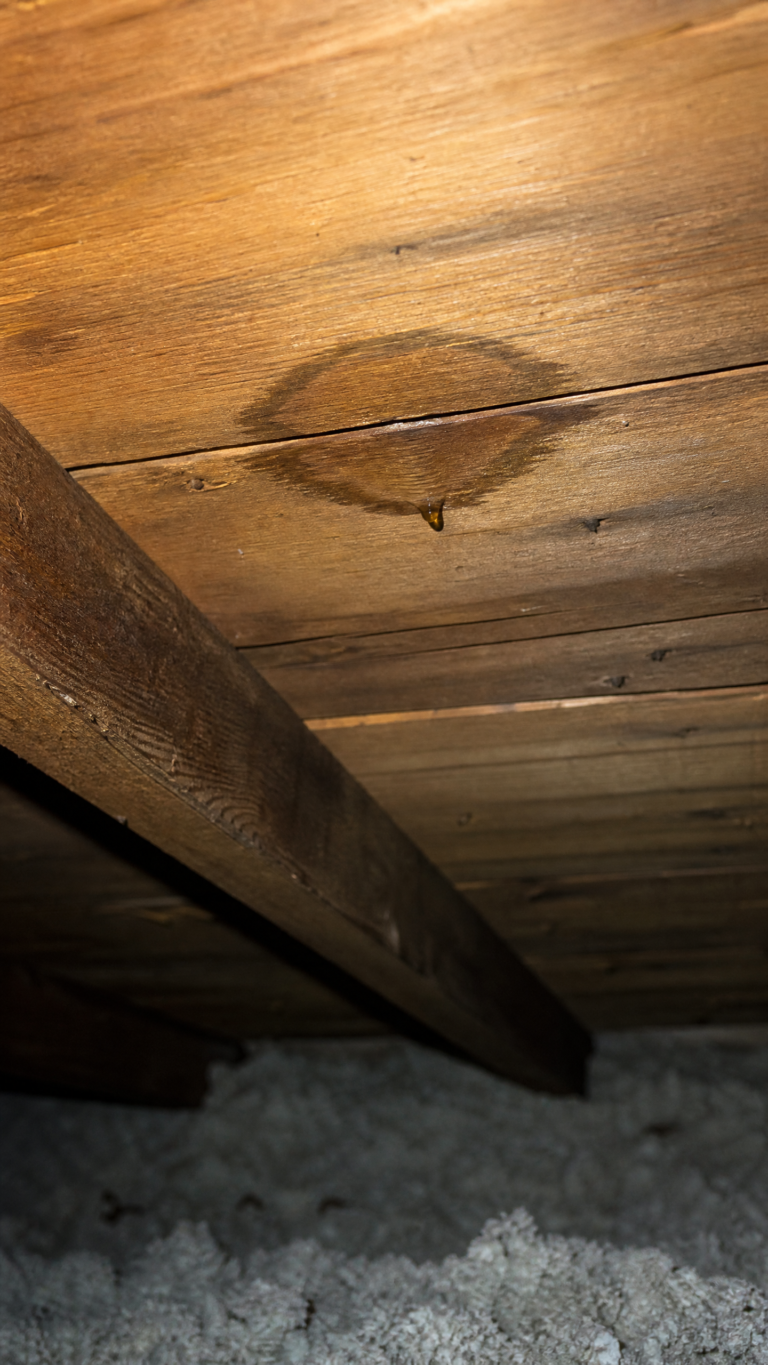
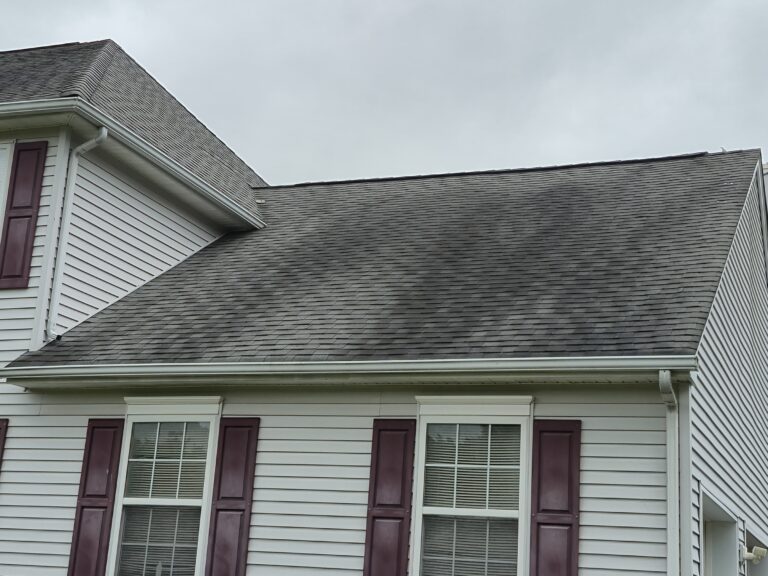
Homeowners insurance does not cover wear and tear, aging, or lack of maintenance. This is the critical distinction. If your 20-year-old roof is failing because it’s reached the end of its lifespan, that’s not covered. If shingles blow off during a storm because the roof was already deteriorated, your claim may be denied or significantly reduced.
Insurance adjusters are trained to identify pre-existing conditions. They’ll look at the overall roof condition, not just the damaged area. If they determine that age and wear contributed to the damage, they can reduce your payout accordingly — or deny the claim entirely.
New Jersey-specific consideration: Our state has seen insurance companies become increasingly aggressive about roof-related claims. After several costly storm seasons, insurers are scrutinizing claims more carefully and some have implemented actual cash value (ACV) provisions for older roofs rather than replacement cost coverage. Check your policy details — they may have changed at your last renewal.
When You Should File a Claim
There are clear situations where filing a claim makes sense:
The damage is significant and clearly exceeds your deductible. If you have a $1,000 deductible and you’re looking at $8,000 in storm damage, file the claim. The math works in your favor even accounting for potential premium increases.
The damage is from a documented storm event. Insurance companies track weather events. If there was a confirmed nor’easter, hail storm, or severe wind event in Monmouth, Ocean, or Burlington counties on a specific date, and your damage aligns with that event, your claim has strong footing.
You have clear before-and-after evidence. If you had a recent roof inspection or photos documenting your roof’s good condition before the storm, your claim is much stronger. This is why we always recommend homeowners document their roof’s condition periodically.
The damage poses immediate risk to your home’s interior. Active leaks, large sections of missing shingles, or structural damage that could worsen need to be addressed quickly. Insurance exists for exactly these situations.
A tree or large branch fell on your roof. This is typically a straightforward covered peril, assuming the tree was healthy (diseased trees you knew about but didn’t address can complicate claims).
Multiple neighbors experienced similar damage. When an entire neighborhood in Toms River or Jackson Township reports storm damage, it corroborates that a significant weather event occurred. Insurance companies expect claims from affected areas after major storms.
When You Probably Shouldn’t File a Claim
Here’s where homeowners often make costly mistakes:
The damage is minor and close to your deductible. If your deductible is $1,500 and the repair estimate is $1,800, you’re filing a claim for a $300 benefit. That claim goes on your record and can affect your premiums for 3-5 years. The math rarely works out.
The damage is primarily due to age or wear. If your roof is 22 years old and shingles blew off because the adhesive has failed over time, that’s not really storm damage — the storm just revealed existing deterioration. These claims often get denied, but the inquiry still goes on your record.
You’ve filed claims recently. Insurance companies track your claims history through a database called CLUE (Comprehensive Loss Underwriting Exchange). Multiple claims within a 3-5 year period can result in premium increases, higher deductibles, or non-renewal. If you filed a claim two years ago, think carefully before filing another for marginal damage.
The damage is cosmetic only. Some wind damage affects appearance but doesn’t compromise the roof’s function. A few lifted shingles that can be resealed, or minor granule displacement, might not warrant a claim even if technically covered.
You’re planning to sell soon. Claims history transfers with the property and can affect a buyer’s ability to get insurance. A recent roof claim on a home you’re selling can complicate transactions.
The Real Cost of Filing a Claim
Many homeowners don’t realize that filing a claim — even one that’s approved — has financial consequences beyond the deductible.
Premium increases are common. In New Jersey, a single roof claim can increase your premium by 10-25% at renewal. Multiple claims can push that higher. These increases typically persist for 3-5 years.
Policy non-renewal is a real possibility. Insurance companies in New Jersey have become more selective. After two claims within a few years, some insurers simply won’t renew your policy. Finding new coverage with claims on your record often means higher premiums with less favorable terms.
Your CLUE report follows you. That claims database we mentioned? It tracks your history for seven years. Future insurers will see it. Future home buyers (or their insurers) will see it. One questionable claim can create ripple effects.
Claim inquiries can count against you. Here’s something most people don’t know: even if you call your insurance company to ask about potential coverage and decide not to file, that inquiry may be recorded. Some insurers treat inquiries similarly to claims when evaluating your risk profile.
How to Evaluate Your Situation
Before contacting your insurance company, take these steps:
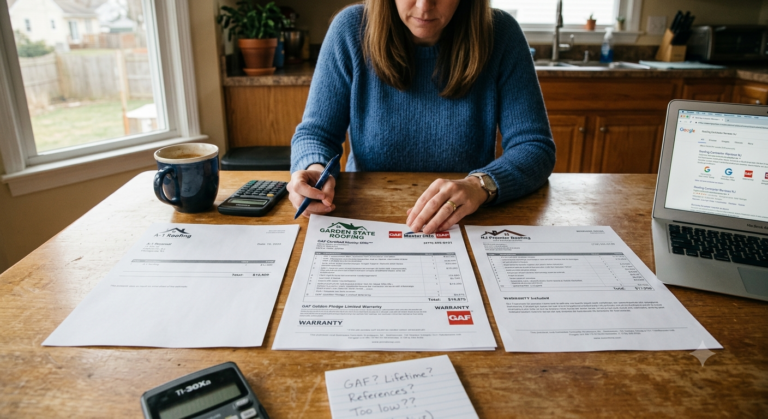
Get a professional damage assessment first. Have a reputable roofing contractor inspect the damage and provide an estimate. This gives you real numbers to compare against your deductible and helps you understand whether the damage is storm-related or wear-related.
A contractor experienced with insurance claims — particularly one familiar with homes throughout Freehold, Howell, Brick, and surrounding communities — can often tell you whether a claim is likely to be approved based on the damage patterns they observe.
Review your policy carefully. Check your deductible amount, understand whether you have replacement cost or actual cash value coverage, and look for any roof-specific provisions. Some policies have separate (higher) deductibles for wind or hail damage. Some have age-based depreciation schedules for roofs.
Calculate the real math. Take the estimated repair cost, subtract your deductible, then consider potential premium increases over the next 3-5 years. If your $4,000 claim nets you $2,500 after deductible but increases your premium by $300/year for five years, you’ve actually lost money.
Consider your claims history. If your record is clean, you have more flexibility. If you’ve filed recently, the threshold for filing again should be higher.
Document everything regardless. Even if you decide not to file now, document the damage thoroughly with dated photos. If the damage worsens or you discover related problems later, this documentation could support a future claim or prove that you addressed the issue promptly.
The Claims Process: What to Expect
If you’ve evaluated the situation and decided to file, here’s how the process typically works in New Jersey:
Report the claim promptly. Most policies require timely reporting — typically within a “reasonable” timeframe, though some specify 30-60 days. Don’t wait months to file.
Mitigate further damage. You’re required to take reasonable steps to prevent additional damage. This might mean tarping an exposed area or making emergency repairs. Keep all receipts — these costs are typically reimbursable.
An adjuster will inspect. Your insurance company will send an adjuster to evaluate the damage. They’ll examine the roof, take photos, and prepare their own estimate. This estimate may differ from your contractor’s.
You can challenge the assessment. If the adjuster’s estimate seems low or if they’re attributing storm damage to wear and tear, you have options. You can request a re-inspection, provide additional documentation, or hire a public adjuster to advocate on your behalf.
Get your contractor involved. An experienced roofing contractor can meet with the adjuster, point out damage that might be overlooked, and advocate for appropriate coverage. Contractors who regularly work with insurance claims understand how adjusters evaluate damage and can communicate in terms they understand.
Understand the payment structure. Insurance typically pays in installments — an initial payment after the estimate is approved, then a final payment after repairs are completed and documented. If you have a mortgage, checks may be issued jointly to you and your lender.
Working With Your Roofing Contractor
The right contractor makes a significant difference in how smoothly the claims process goes.
Choose a contractor before filing if possible. Their assessment helps you decide whether to file, and they can guide you through the process.
Look for insurance claim experience. Contractors who regularly handle insurance work in Monmouth, Ocean, and Burlington counties understand local adjusters, know what documentation is needed, and can identify legitimate storm damage versus wear patterns.
Be cautious of storm chasers. After major weather events, contractors from out of state flood into affected areas offering to “handle everything with your insurance.” Some are legitimate; many are not. They may inflate damage to maximize claims, do substandard work, or disappear after collecting payment. Stick with established local companies.
Never sign an Assignment of Benefits (AOB) casually. Some contractors ask you to sign over your insurance benefits to them. This gives them control of your claim and can create complications. Understand exactly what you’re signing.
Get warranty protection. Ensure your contractor offers meaningful warranties on both materials and workmanship. Manufacturer certifications — like GAF Master Elite or Owens Corning Preferred status — often come with enhanced warranty options that protect you beyond what insurance covers.
What If Your Claim Is Denied?
Denials happen, but they’re not always the final word.
Understand why it was denied. Request a written explanation. Common reasons include: damage attributed to wear rather than storm, insufficient documentation, policy exclusions you weren’t aware of, or missed filing deadlines.
Review the denial against your policy. Sometimes denials don’t align with actual policy language. An insurance attorney or public adjuster can help evaluate whether the denial is legitimate.
Provide additional documentation. If you have evidence that contradicts the denial — inspection reports showing your roof was in good condition before the storm, for example — submit it with a formal appeal.
Consider a public adjuster. Public adjusters work for you, not the insurance company. They charge a percentage of your settlement (typically 10-15%) but can often negotiate significantly higher payouts than homeowners achieve on their own.
Know your legal options. New Jersey has consumer protection laws governing insurance practices. If you believe your claim was wrongly denied, consulting with an attorney who handles insurance disputes may be worthwhile for significant claims.
Building Your Documentation Now
The best time to prepare for a potential insurance claim is before you need one.
Get a professional roof inspection. Having a documented assessment of your roof’s good condition establishes a baseline. If damage occurs later, you can prove the roof was sound beforehand.
Take photos regularly. Photograph your roof from multiple angles every year and after any significant storm. Include close-ups of vulnerable areas like flashing, valleys, and edges. Store these photos with dates in cloud storage.
Keep maintenance records. Document any repairs, cleanings, or professional services performed on your roof. This demonstrates responsible maintenance and counters claims that damage resulted from neglect.
Review your policy annually. Coverage terms change. Deductibles change. Understanding your current policy before you need it prevents surprises during a stressful claims process.
Quick Reference: When to File vs. When to Skip
Consider filing a claim when:
- Damage clearly exceeds your deductible by $2,000+
- Damage resulted from a documented storm event
- You have evidence of your roof’s good pre-storm condition
- Multiple neighbors experienced similar damage
- The damage poses immediate risk to your home’s interior
- A tree or large branch fell on your roof
Think twice about filing when:
- Damage is minor and close to your deductible amount
- Your roof is old and showing wear (claim may be denied or reduced)
- You’ve filed another claim within the past 3-5 years
- The damage is primarily cosmetic
- You’re planning to sell your home soon
Before contacting your insurer:
- Get a professional damage assessment from a local contractor
- Review your policy’s deductible, coverage type, and any roof provisions
- Calculate whether filing makes financial sense over 3-5 years
- Document all damage with dated photos
- Consider your claims history
TL;DR: Don’t automatically file an insurance claim for roof damage. Filing makes sense when damage significantly exceeds your deductible and results from a covered storm event. It doesn’t make sense for minor damage, wear-related issues, or if you’ve filed recently. Claims affect your premiums for 3-5 years and can lead to policy non-renewal. Always get a professional assessment first, document everything, and calculate the real long-term cost before deciding. When you do file, work with an experienced local contractor who can advocate for appropriate coverage.
Questions about whether your roof damage warrants an insurance claim? Contact Elegant Exteriors for a professional assessment. We help homeowners throughout Jackson Township, Toms River, Freehold, Howell, and communities across Monmouth, Ocean, and Burlington counties navigate storm damage and insurance claims.