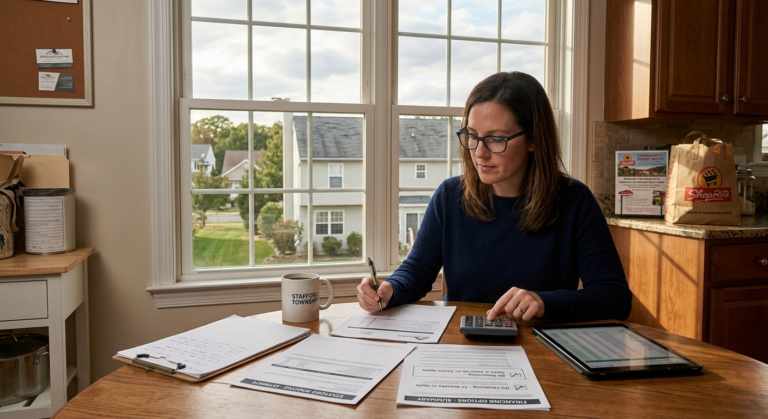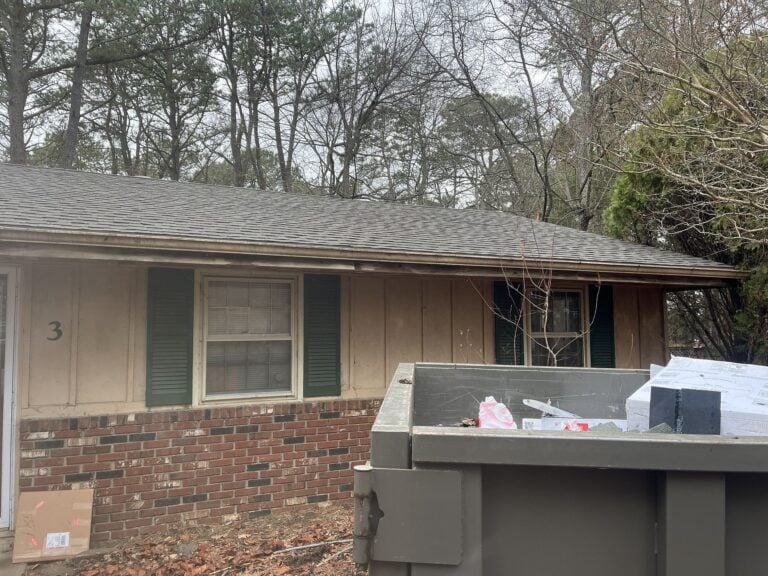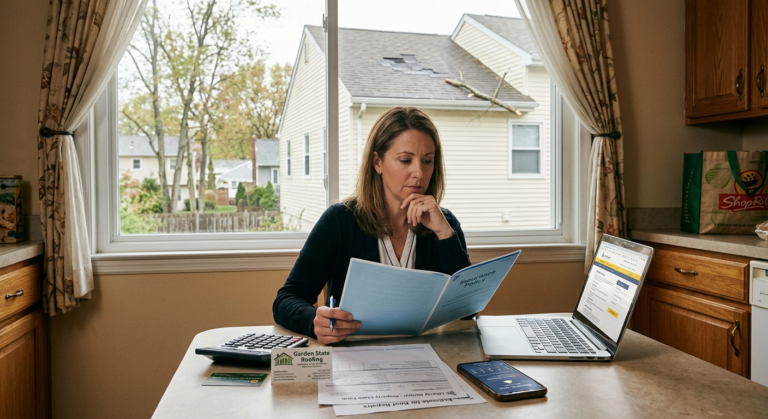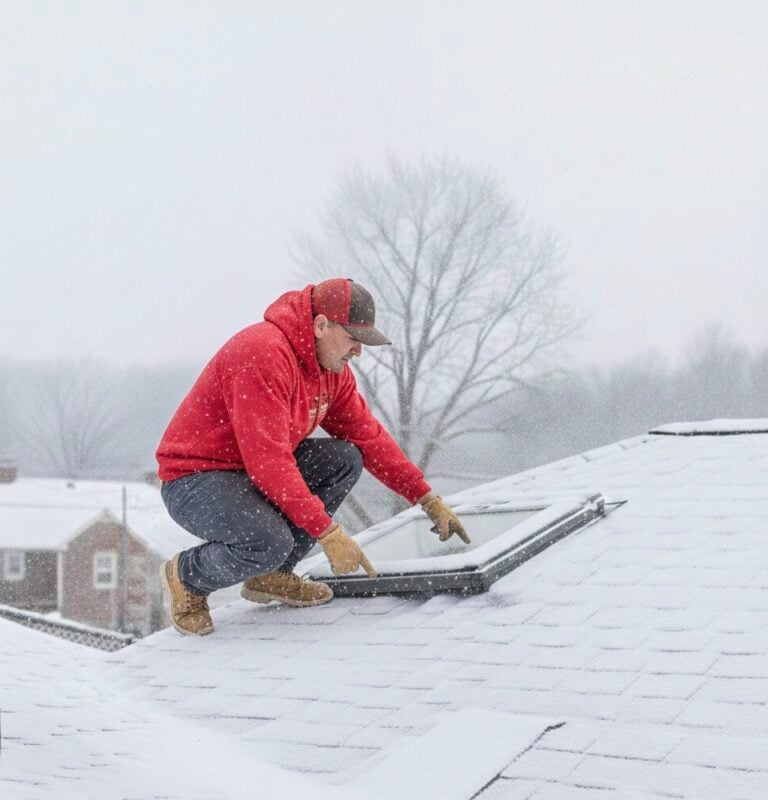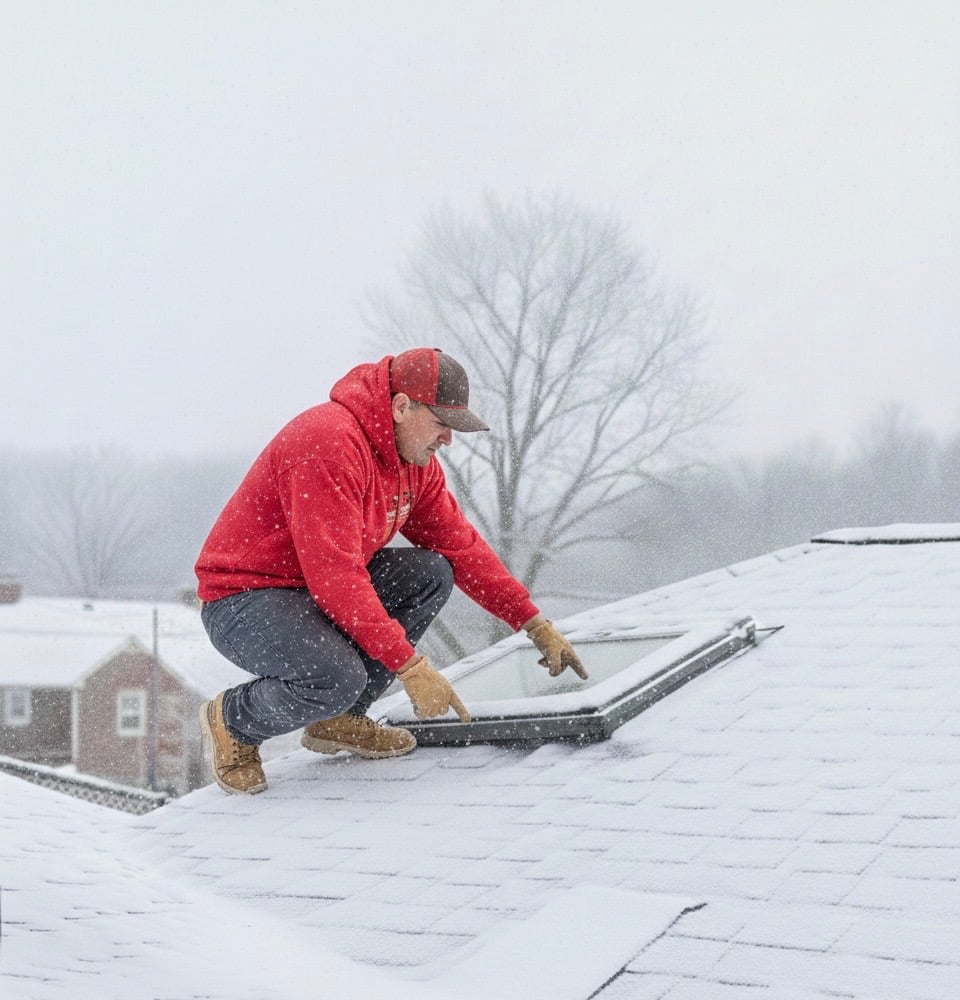
It’s a fair question. Your roof looks fine from the driveway. There’s no water dripping through your ceiling. Why pay someone to climb up there and tell you what you already suspect — that everything’s probably okay?
The short answer is that a professional roof inspection is almost always worth it, especially for homes in Central New Jersey where our climate puts roofs through more stress than homeowners typically realize. But rather than just telling you to trust us, let’s break down exactly what you get from an inspection, what problems it can catch early, and how to decide if now is the right time for your home.
Is a roof inspection worth it?
Yes. A professional roof inspection typically costs $200-400 but can identify hidden damage that would cost thousands to repair if left unaddressed. For New Jersey homeowners, inspections are particularly valuable because our climate — coastal humidity, nor’easters, and freeze-thaw cycles — accelerates roof aging and creates problems that aren’t visible from the ground. Most roofing contractors offer free inspections, making it a no-risk way to understand your roof’s condition.
What Actually Happens During a Roof Inspection
A proper roof inspection isn’t just someone glancing at your shingles from a ladder. It’s a systematic evaluation of your entire roofing system — and yes, your roof is a system with multiple components that all need to work together.
A qualified inspector will examine the shingles or other roofing material for wear, damage, and remaining lifespan. They’ll check flashing around chimneys, vents, skylights, and anywhere the roof meets a wall. They’ll evaluate the condition of your gutters and downspouts. They’ll look at ridge caps, valleys, and edge details. And they’ll assess the overall structural integrity — checking for sagging, unevenness, or signs of underlying problems.
Many inspectors also check your attic, looking at the underside of the roof deck for water stains, mold, daylight penetration, and ventilation issues. This interior perspective often reveals problems that are completely invisible from outside.
The whole process typically takes 45 minutes to an hour for an average-sized home. Afterward, you should receive a detailed report explaining what was found, what needs attention now, what can wait, and roughly how much life remains in your current roof.
Why Inspections Matter More in New Jersey
If you lived in San Diego, your roof would face sunshine and occasional rain. Here in Monmouth, Ocean, and Burlington counties, your roof deals with a much more complex set of challenges.
Freeze-thaw cycling is one of the biggest factors. During New Jersey winters, temperatures regularly swing above and below 32 degrees — sometimes multiple times in a single week. Water seeps into tiny cracks, freezes, expands, thaws, and refreezes. This repeated cycle gradually widens gaps, loosens fasteners, and breaks down sealants in ways that aren’t immediately obvious.
Coastal humidity affects homes even miles from the actual shore. The elevated moisture levels in communities like Toms River, Brick, and Point Pleasant promote algae growth, accelerate the breakdown of roofing adhesives, and contribute to wood rot in the underlying deck structure. A roof that might last 25 years in a drier climate could show significant wear at 18-20 years here.
Nor’easters and severe storms deliver wind-driven rain that tests every weakness in your roofing system. Unlike gentle rainfall that runs straight down, wind-driven rain pushes water sideways and even upward, finding entry points that wouldn’t leak under normal conditions.
Summer heat and UV exposure cause cumulative damage that homeowners often overlook. South and west-facing roof sections typically deteriorate faster than north-facing areas because of direct sun exposure throughout the hottest parts of the day.
An inspector familiar with Central Jersey conditions knows exactly where to look for these regional issues. They’ve seen how our climate affects roofs across Jackson Township, Howell, Freehold, Marlboro, and surrounding areas — and they know the warning signs that precede bigger problems.
The Problems Inspections Catch Early
Here’s where the real value shows up. A roof inspection isn’t about finding obvious damage you could see yourself. It’s about catching developing problems while they’re still cheap to fix.
Flashing failures are a perfect example. The metal flashing around your chimney, plumbing vents, and skylights seals the gaps where water would otherwise enter. Over time, the sealant deteriorates and the metal can corrode, lift, or pull away from surfaces. From the ground, flashing often looks fine even when it’s actively failing. An inspector checking up close can spot early separation, cracked sealant, or rust that signals trouble ahead.
Shingle granule loss is another issue that’s hard to assess from ground level. Those granules — the sandpaper-like coating on asphalt shingles — protect the underlying material from UV damage. Gradual granule loss is normal, but accelerated loss indicates your shingles are aging faster than they should. An inspector can evaluate whether you’re seeing normal wear or a problem worth addressing.
Nail pops occur when roofing nails back out of the deck, creating raised spots that break the shingle seal. They’re caused by wood expansion and contraction, and they create entry points for water. You might notice one or two from the ground, but an inspector will find all of them.
Ventilation problems often go completely undetected until they cause serious secondary damage. Inadequate attic ventilation leads to heat buildup in summer (which shortens shingle life) and moisture accumulation in winter (which causes mold and rot). An inspection that includes attic assessment can identify ventilation deficiencies before they damage your roof deck or interior.
Early-stage leaks sometimes exist without any visible interior evidence. Water can travel along rafters and decking before dripping somewhere you’d notice. An inspector checking the attic can spot water stains, moisture damage, or active seepage that hasn’t yet reached your living space.
When You Should Definitely Get an Inspection
Certain situations make roof inspections particularly valuable:
Your roof is 15+ years old. This is when most asphalt shingle roofs start showing wear. An inspection establishes your baseline and helps you plan for eventual replacement.
After a significant storm. Even if you don’t see obvious damage, wind, hail, and falling debris can cause problems that develop over time. Many insurance claims require professional documentation anyway.
Before buying or selling a home. Buyers want to know what they’re getting. Sellers benefit from addressing issues proactively rather than negotiating after a buyer’s inspection flags problems.
You’re noticing potential warning signs. Granules in your gutters, ceiling stains, higher energy bills, or anything that makes you wonder about your roof’s condition.
It’s been more than 2-3 years since your last inspection. Regular checkups catch developing problems before they become expensive repairs.
You’re planning a major home improvement project. Adding solar panels, building an addition, or other major work that affects your roof should start with understanding its current condition.
What an Inspection Costs (And What It Saves)
Professional roof inspections typically range from $200 to $400, depending on your home’s size, roof complexity, and what’s included. Some inspectors use drone photography or infrared scanning, which adds cost but provides additional detail.
Here’s the thing though: many reputable roofing contractors offer free inspections, particularly if you’re considering them for potential repair or replacement work. This isn’t a bait-and-switch — it’s a normal part of how the roofing industry operates. Contractors want to earn your business, and providing a thorough, honest assessment is how they demonstrate their expertise.
The savings potential far exceeds the inspection cost. Consider these scenarios:
A small flashing repair caught early might cost $200-400. Left unaddressed until water damage develops, you’re looking at $2,000-5,000 or more for deck repair, insulation replacement, and interior remediation.
Identifying that your 18-year-old roof has 3-5 years of life remaining lets you budget and plan. Discovering it suddenly needs replacement during a rainy October limits your options and leverage.
Documenting storm damage promptly and properly often makes the difference between an insurance claim being approved or denied. Inspections conducted within days of a storm, with detailed photos and professional assessment, carry significantly more weight than claims filed months later.
Choosing the Right Inspector
Not all roof inspections are created equal. A thorough evaluation requires someone who actually gets on your roof (not just looks through binoculars), checks your attic, understands regional conditions, and provides detailed documentation.
Look for established local contractors. A company based in or serving Monmouth, Ocean, and Burlington counties understands how our specific climate affects roofs. They’ve seen the common failure patterns in homes throughout Manalapan, Howell, Jackson Township, and surrounding areas.
Check credentials and certifications. Manufacturer certifications like GAF Master Elite, Owens Corning Preferred, or CertainTeed Master Shinglers indicate the contractor has met specific training and quality standards. These designations are held by a small percentage of contractors and require ongoing education.
Verify insurance and licensing. Any contractor accessing your roof should carry liability insurance and workers compensation. In New Jersey, they should also hold proper Home Improvement Contractor registration.
Ask what’s included. Will they physically access the roof? Check the attic? Provide a written report? Use photos or video documentation? The best inspections include all of these elements.
Be wary of pressure tactics. A legitimate inspection provides information and recommendations. If someone’s pushing you to sign a contract on the spot or claiming your roof is an emergency when it wasn’t yesterday, that’s a red flag.
What Happens After an Inspection
Once your inspection is complete, you’ll have one of three general outcomes:
Your roof is in good condition. Great news — you’ve confirmed there’s nothing to worry about for now. The inspector should give you an estimated remaining lifespan and suggest when to schedule your next checkup.
Minor repairs are needed. This is actually the best-case scenario when problems exist. Small issues caught early are inexpensive to fix and prevent larger problems down the road. Get the work done promptly and your roof continues protecting your home.
Significant issues or replacement is recommended. Not what anyone wants to hear, but better to know than to be surprised by a failure. You now have time to get multiple estimates, research options, plan financially, and schedule work for optimal timing rather than dealing with an emergency.
In all three cases, you’re better informed than you were before. And that information has real value — for maintenance planning, insurance purposes, real estate transactions, and your own understanding of your home’s condition.
Quick Reference: Is a Roof Inspection Worth It?
Get an inspection if:
- Your roof is over 15 years old
- You’ve experienced a recent storm with high winds or hail
- You’re buying or selling your home
- You notice warning signs (granules in gutters, ceiling stains, curling shingles)
- It’s been more than 2-3 years since your last professional evaluation
- You’re planning solar installation or major renovations
What a good inspection includes:
- Physical access to the roof surface (not just ground-level viewing)
- Evaluation of shingles, flashing, vents, gutters, and edge details
- Attic inspection for moisture, ventilation, and structural issues
- Written report with photos documenting findings
- Clear explanation of current condition and estimated remaining lifespan
- Recommendations prioritized by urgency
Average costs:
- Professional inspection: $200-400
- Many contractors offer free inspections
- Small repairs caught early: $200-500
- Major repairs from undetected damage: $2,000-10,000+
The Bottom Line
Is a roof inspection worth it? For most homeowners in Central New Jersey, absolutely yes. Our climate is hard on roofs, problems develop invisibly, and early detection saves significant money. The inspection cost is minimal compared to what undetected damage can eventually cost — and many reputable contractors offer them free anyway.
If you can’t remember your last inspection, or if your roof is approaching that 15-20 year range, it’s probably time. The worst outcome is learning your roof is fine. The best outcome is catching something early enough that a small repair prevents a major expense.
TL;DR: Roof inspections cost $200-400 (often free from contractors) and catch problems while they’re still cheap to fix. In New Jersey’s harsh climate, hidden damage from freeze-thaw cycles, coastal humidity, and storms can develop without visible warning signs. Inspections are especially worthwhile for roofs over 15 years old, after major storms, or before buying/selling a home. A thorough inspection includes physical roof access, attic evaluation, and detailed documentation.
Have questions about your roof’s condition or want to schedule a free inspection? Contact Elegant Exteriors — we serve homeowners throughout Jackson Township, Toms River, Freehold, Howell, and communities across Monmouth, Ocean, and Burlington counties.