Your roof doesn’t usually fail all at once. It’s not like a car engine that suddenly won’t turn over one morning. Instead, roofs deteriorate gradually — sometimes over years — giving homeowners plenty of warning signs along the way. The trick is knowing what to look for and understanding when those signs mean it’s time for repairs versus a full replacement.
For homeowners in Jackson Township and throughout Ocean County, the decision about when to replace a roof carries some unique considerations. Our climate here in Central New Jersey puts roofs through a specific kind of stress that homeowners in other parts of the country simply don’t experience. Understanding those factors can help you make a smarter, more cost-effective decision about your home’s most important protective barrier.
How Long Should a Roof Last in Central New Jersey?
Before diving into warning signs, it helps to understand realistic expectations. The lifespan of any roof depends on three main factors: the materials used, the quality of installation, and the environmental conditions it faces.
Most asphalt shingle roofs — which cover the vast majority of homes in Jackson, Toms River, Howell, and surrounding communities — are rated to last between 20 and 30 years. Premium architectural shingles from manufacturers like GAF, Owens Corning, and CertainTeed can push toward that 30-year mark when properly installed. Three-tab shingles, which were more common in homes built before the early 2000s, typically fall on the shorter end of that range.
But here’s what those manufacturer estimates don’t fully account for: New Jersey’s coastal climate.
The combination of salt air, high humidity, frequent nor’easters, and our dramatic freeze-thaw cycles during winter months all accelerate roof aging. A shingle rated for 25 years in a milder climate might realistically perform for 18-22 years in Ocean or Monmouth County. This doesn’t mean you’re getting cheated — it’s just the reality of our weather patterns.
The Age Question: Is Your Roof Approaching Its Expiration Date?
If you don’t know when your roof was last replaced, start by finding out. Previous homeowners sometimes leave documentation, or you can check permit records with Jackson Township’s construction office. Home inspection reports from when you purchased the property often include roof age estimates as well.
Once you know the age, use these general guidelines:
A roof under 15 years old with no visible problems is probably fine for now. Keep an eye on it, but major issues are unlikely unless something went wrong during installation.
A roof between 15 and 20 years old deserves closer attention. This is when minor problems start appearing, and it’s worth having a professional inspection to assess remaining lifespan.
A roof over 20 years old should be evaluated seriously, especially if it’s never been inspected by a qualified contractor. Even if it looks okay from the ground, underlying issues may be developing.
A roof approaching or exceeding 25 years is likely nearing the end of its functional life, regardless of how it appears. At this point, replacement planning makes sense even without obvious visible damage.
Visible Warning Signs You Can Spot From the Ground
You don’t need to climb a ladder to identify many roof problems. A careful walk around your property can reveal quite a bit.
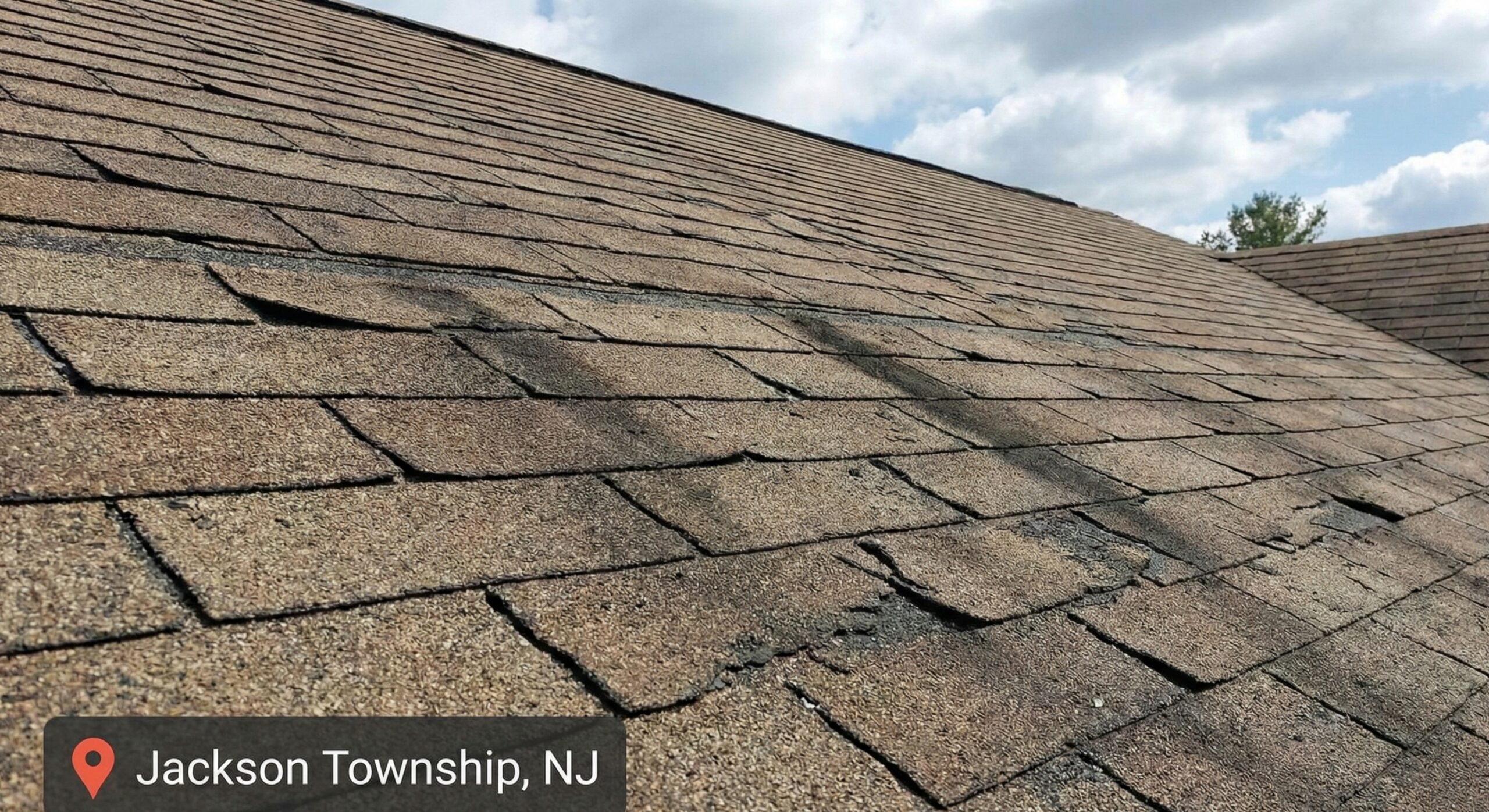
Curling or buckling shingles are among the most obvious indicators. Shingles should lay flat against the roof deck. When they start curling at the edges or buckling in the middle, it typically means the shingles have lost their flexibility and weatherproofing capabilities. This is common in roofs throughout the Jackson area that have baked through 20+ summers of direct sun exposure.
Missing shingles are exactly what they sound like — gaps in your roof’s coverage where shingles have blown off or deteriorated completely. After major storms, we see this frequently in exposed neighborhoods and developments without significant tree cover. A few missing shingles can sometimes be repaired, but widespread loss usually indicates the remaining shingles are also compromised.
Granule loss shows up as dark patches on your roof or as accumulation in your gutters. Those granules — the sandpaper-like coating on shingles — protect the underlying asphalt from UV damage. Once they’re gone, shingle deterioration accelerates rapidly. If you’re finding significant granule buildup in your gutters or at the bottom of downspouts, your roof is aging faster than it should.
Sagging areas are a serious concern that indicates potential structural problems. A healthy roof maintains consistent, straight lines along its ridges and planes. Any visible dipping or sagging — even subtle — warrants immediate professional evaluation. This can indicate water damage to the underlying decking, failed structural supports, or long-term moisture intrusion.
Moss or algae growth is common in shaded areas throughout wooded sections of Jackson Township and neighboring Lakewood. While moss might look like a cosmetic issue, it actually traps moisture against shingles and accelerates deterioration. Black streaking from algae is less damaging but still indicates conditions that promote roof aging.
Warning Signs You’ll Notice From Inside Your Home
Sometimes the clearest evidence of roof problems shows up inside your house rather than outside.
Water stains on ceilings or walls are the most obvious interior sign. These yellow-brown discolorations indicate that water is getting past your roof’s protective layers. Not all ceiling stains come from roof leaks — plumbing issues and condensation problems can cause similar marks — but any unexplained staining deserves investigation.
Daylight visible through the roof deck is a definitive problem. If you can access your attic during daytime, turn off any lights and look up at the underside of your roof. You shouldn’t see any pinpoints of light coming through. If you do, water can get through those same openings.
Increased energy bills sometimes trace back to roof problems. As roofs age, their insulating properties decline. Additionally, ventilation components can fail, causing attic temperatures to become more extreme — hotter in summer, colder in winter. If your heating and cooling costs have crept up without obvious explanation, your roof could be contributing.
Moisture or mold in the attic often connects to roof issues. We discussed bathroom ventilation problems in a previous article, but roof leaks cause similar attic moisture problems. Any unexplained dampness, musty odors, or visible mold growth on attic surfaces warrants a thorough roof inspection.
Why Central Jersey’s Climate Matters
Homeowners who’ve relocated to Jackson or Toms River from other regions sometimes underestimate how our local conditions affect roofing materials.
Freeze-thaw cycling is particularly hard on roofs. During New Jersey winters, temperatures frequently swing above and below freezing — sometimes multiple times in a single week. Water that seeps into small cracks expands when it freezes, then contracts when it thaws. This repeated expansion and contraction gradually widens those cracks, loosens shingles, and compromises flashing seals.
Coastal humidity affects homes throughout Ocean County, even those miles from the actual shore. The elevated moisture levels promote algae growth, accelerate the breakdown of roofing adhesives, and can contribute to wood rot in the underlying deck structure. Homes in Brick, Point Pleasant, and the Toms River area experience this more intensely, but even inland communities like Jackson and Freehold see effects.
Nor’easters and severe storms deliver the kind of wind-driven rain that exploits any weakness in a roof system. Unlike gentle rainfall that runs straight down, wind-driven rain can push water sideways and upward, finding entry points that wouldn’t leak under normal conditions. Each major storm event stresses roofing materials and connections.
Summer heat and UV exposure cause cumulative damage that’s easy to overlook. New Jersey summers aren’t Arizona hot, but sustained temperatures in the 80s and 90s combined with direct sunlight gradually break down the petroleum-based compounds in asphalt shingles. South and west-facing roof sections typically show wear faster than north-facing areas for this reason.
The Repair vs. Replace Decision
Not every roof problem means you need a complete replacement. Some issues can be addressed with targeted repairs that extend your roof’s functional life by several years.
Repairs generally make sense when damage is localized to a specific area, when the roof is relatively young (under 15 years), when underlying decking remains solid, and when overall shingle condition is still good.
Replacement becomes the better choice when problems are widespread across multiple areas, when the roof is approaching or past its expected lifespan, when repairs would cost more than 30-40% of replacement cost, or when you’re planning to sell the home within the next few years (buyers and inspectors will flag an aging roof anyway).
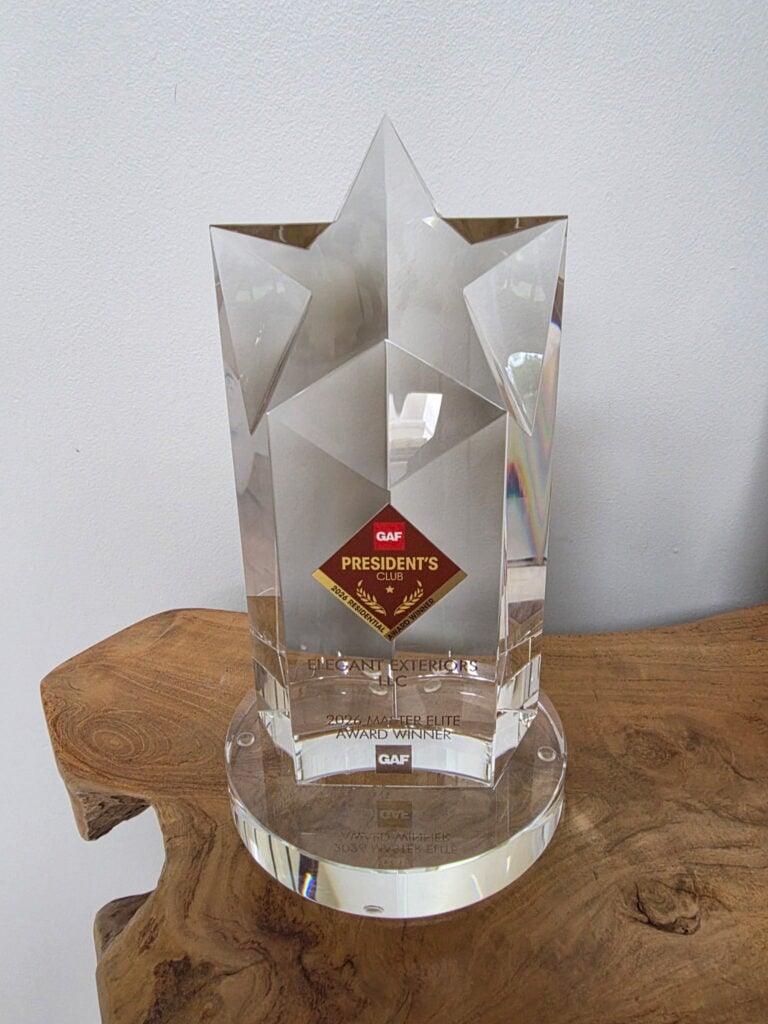
One factor worth considering: manufacturer warranties on patch repairs rarely match what you’d get with a full replacement. When a GAF Master Elite Contractor installs a complete new roof system, homeowners can qualify for enhanced warranty coverage that includes both materials and workmanship. Spot repairs, even done professionally, don’t carry the same protection.
Getting a Professional Assessment
A qualified roofing contractor can identify issues that aren’t visible from the ground and provide an honest assessment of your roof’s remaining lifespan. The key word there is “qualified” — the roofing industry has its share of storm chasers and fly-by-night operations, particularly after major weather events.
When choosing someone to inspect your roof, look for established local presence. A company based in or near your community — like New Egypt, which sits right between Ocean, Monmouth, and Burlington counties — has a reputation to maintain with local homeowners. They’re not disappearing after storm season.
Manufacturer certifications matter because they indicate the contractor has met specific training and quality standards. GAF’s Master Elite designation, for example, is held by only about 3% of roofing contractors nationwide. Owens Corning Preferred and CertainTeed Master Shinglers credentials represent similar achievement levels.
Insurance and licensing should be verified before anyone sets foot on your roof. New Jersey requires roofing contractors to carry liability insurance and workers compensation coverage. Don’t take their word for it — ask for certificates.
Reviews and references from actual customers in your area provide insight into how the company operates. Google reviews, BBB ratings, and direct references from neighbors all help paint a complete picture.
What Happens During a Roof Inspection
A thorough inspection covers more than just shingle condition. The contractor should evaluate flashing around chimneys, vents, and skylights. They should check the condition of ridge caps, examine gutters and downspouts, assess attic ventilation, and look at the underside of the roof deck from inside the attic.
After the inspection, you should receive a clear explanation of findings — not just a sales pitch. A reputable contractor will tell you honestly whether you need replacement now, whether repairs can extend your roof’s life, or whether your roof is actually in fine shape and needs nothing at all.
If replacement is recommended, get specifics about what’s included: material options, ventilation improvements, decking repairs if needed, warranty coverage, and realistic timeline. Multiple estimates from different contractors help you compare not just price but scope of work and quality of materials being proposed.
Planning Ahead
If your roof is showing early warning signs but isn’t failing yet, you have time to plan. This is actually the ideal situation — you can research contractors, compare options, and budget appropriately rather than scrambling after an emergency leak.
For Jackson Township homeowners considering solar in the future, it’s worth noting that roof condition affects solar installation decisions. Companies won’t install panels on a roof that’s nearing replacement. If solar interests you, addressing roof replacement first — potentially with integrated solar shingles like GAF’s Timberline Solar system — can make sense both practically and financially.
Taking the Next Step
If you’ve noticed any of the warning signs discussed here, or if your roof is simply approaching that 20-year threshold, getting a professional evaluation is a reasonable next step. It costs nothing to find out where you stand, and the information helps you make better decisions about your home.
Elegant Exteriors provides free roof inspections for homeowners throughout Jackson Township, Toms River, Freehold, Howell, and communities across Monmouth, Ocean, and Burlington counties. As one of the area’s few contractors holding GAF Master Elite, Owens Corning Preferred, and CertainTeed Master Shinglers certifications simultaneously, we can offer honest assessments and quality solutions regardless of which direction makes sense for your situation.
Have questions about your roof’s condition or want to schedule an inspection? Reach out to Elegant Exteriors — we’re happy to take a look and give you a straight answer about what your home needs.